
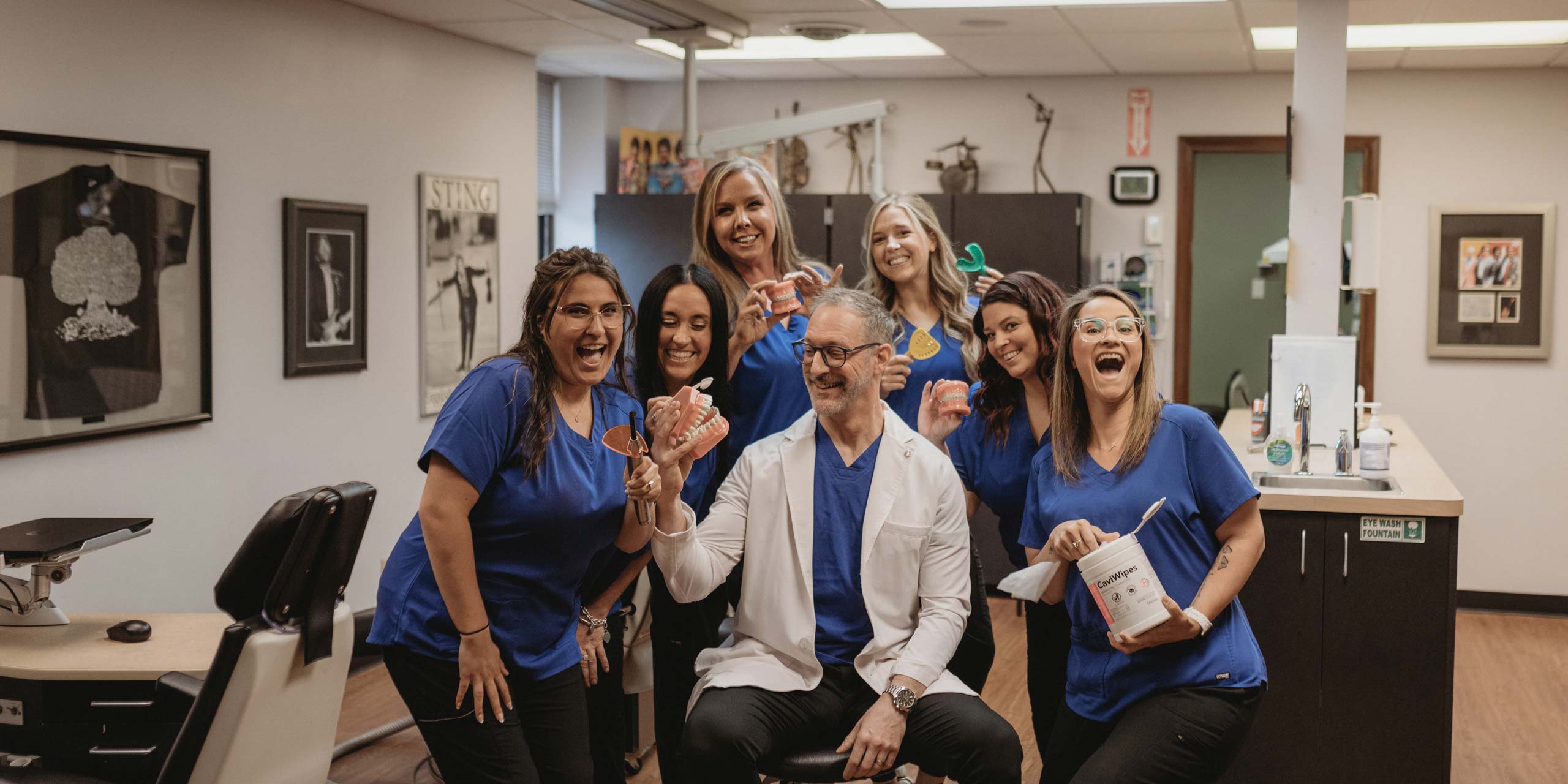
Most people pick an orthodontist the same way they pick a restaurant: they Google it, skim a few reviews, and go with whoever shows up first. That approach works fine for dinner. For something that affects your oral health, confidence, and daily comfort for years to come? You deserve a better strategy. The right rockstar orthodontist brings specialized training, advanced technology, and a treatment approach that fits your life.
If you’re searching for the best orthodontist in Cincinnati, this guide walks you through everything you need to consider. From understanding what sets orthodontists apart to evaluating credentials, comparing costs, and knowing when it’s time to request that first visit.
What Makes an Orthodontist Different from a General Dentist?
An orthodontist is a dental specialist who completes two to three years of full-time residency training after dental school. This additional education focuses exclusively on tooth movement, jaw alignment, and facial balance. General dentists, while excellent at cleanings, fillings, and overall oral health, don’t receive this intensive specialty training.
Think of it like the difference between a family doctor and a surgeon. Both are medical professionals, but one has dedicated years to mastering a specific area.
Your general dentist might offer braces or clear aligners, but they typically learn these techniques through weekend courses or continuing education seminars. An orthodontist, by contrast, spends thousands of hours studying malocclusion, growth patterns, and biomechanics.
Board certification matters here. The American Board of Orthodontics (ABO) requires candidates to pass rigorous written and clinical examinations. This credential signals that an orthodontist has demonstrated expertise beyond the minimum requirements for practice. According to the American Association of Orthodontists, only orthodontists have the specialized training to properly diagnose, prevent, and treat dental and facial irregularities.
Specialty training becomes especially important for complex cases. When you’re dealing with jaw discrepancies, TMJ concerns, or surgical orthodontics, you want someone who handles these situations regularly. Dr. Brian Romick, for example, is an AAO member in Cincinnati who focuses exclusively on orthodontic care. That kind of dedicated practice means you’re getting someone who sees these cases day in and day out.
For straightforward alignment, a general dentist might work fine. For anything involving bite correction, jaw issues, or involved tooth movement, a specialist is your best bet.
How to Choose the Best Orthodontist in Cincinnati: A Step-by-Step Process
Finding the right orthodontist doesn’t have to feel overwhelming. Break it down into manageable steps, and you’ll feel confident in your decision.
How Do You Verify an Orthodontist’s Credentials?
Start by checking credentials. Look for active membership in the American Association of Orthodontists (AAO), which confirms the provider completed an accredited orthodontic residency program. Board certification by the American Board of Orthodontics is another strong indicator of expertise.
You can verify AAO membership on their website or simply ask the practice directly. Don’t be shy about this. Any reputable orthodontist will be happy to share their qualifications. Dr. Romick, for instance, is both an AAO and ADA member, credentials you can confirm directly with the practice.
What Treatment Options Should a Good Practice Offer?
Not every practice offers the same treatments. The best Cincinnati orthodontic practices provide a full range of options so your recommendation is based on what’s right for you:
- Metal braces for kids, teens, and adults
- Clear aligners for discreet treatment
- Interceptive treatment to guide jaw growth in younger children
- Surgical orthodontics for complex jaw cases
- TMJ evaluation and treatment for bite-related discomfort
What Should You Expect at a Free Consult?
Your free consult is where you get a real feel for the practice. Pay attention to how the staff treats you from the first phone call, the technology they use for imaging and treatment planning (like digital scans instead of gross and messy molds), how thoroughly the orthodontist explains your diagnosis, and whether they listen to your concerns and preferences.
Many practices, including Romick Orthodontics, offer free consults. You shouldn’t have to pay just to learn about your options.
How Do You Compare Financial Options?
Before committing, understand the full financial picture. Ask about total treatment cost and what’s included, insurance coordination and filing, low monthly payment plans that fit your budget, and whether retainers and follow-up visits are covered. Cost matters, but the lowest-priced option isn’t always the best value.
Benefits of Choosing a Specialized Orthodontist Over Other Providers
When you choose a dedicated rockstar orthodontist, you’re getting more than just someone who can put on braces. You’re accessing a level of expertise that makes a real difference in your results.
Specialists Offer More Treatment Options
Orthodontists can offer everything from traditional metal braces to clear aligners to surgical orthodontics. Your treatment recommendation is based on what’s best for you, not limited by what’s available in that practice. At Romick Orthodontics in Cincinnati, patients get access to the latest options because the practice invests in staying current with advances in the field.
Better Diagnoses Come from Deeper Training
Specialized training in reading X-rays, cephalometric analysis, and facial growth patterns leads to more accurate diagnoses. An orthodontist can spot issues that others might miss, like subtle jaw discrepancies or developing concerns in younger patients. That extra residency training pays off in the details.
Focused Practice Often Means Faster Results
Evidence-based treatment planning often means shorter overall treatment times. When someone does this work every day, they develop systems and techniques that get you to your goal faster. Efficiency comes from repetition and focus, not shortcuts.
Complex Cases Demand Specialist Training
Jaw surgery, TMJ concerns, and significant bite issues all require the kind of training that only orthodontic residency provides. A general dentist may need to refer you out for these cases anyway, so starting with a specialist saves time and hassle.
The AAO recommends that patients see an orthodontic specialist for any treatment involving tooth movement or bite correction, specifically because the risks of improper treatment planning increase with case complexity.
Orthodontist vs. General Dentist vs. DIY Aligners: How They Compare
An orthodontist offers the highest level of specialized training for tooth and jaw alignment. A general dentist provides basic alignment services. DIY aligners handle only mild cosmetic cases with no in-person care. Here’s how these three paths stack up.
| Factor | Orthodontist | General Dentist | DIY Aligners |
|---|---|---|---|
| Training | 2-3 year orthodontic residency, ABO board certification available | Weekend courses or CE seminars | No in-person provider |
| In-Person Evaluation | Yes, full exam with X-rays | Yes, basic exam | No, mail-in impressions only |
| Case Complexity | All cases including surgical and TMJ | Mild to moderate cases | Mild cosmetic cases only |
| Monitoring | Regular in-person adjustments | Periodic check-ins | Remote or none |
| Bite Correction | Full bite treatment available | Limited capability | Cannot treat bite issues |
| Emergency Care | Same-day appointments available | Varies by practice | No in-person support |
Orthodontist
The most qualified option for orthodontic care. Two to three years of specialized residency training means they can handle anything from simple spacing to complex surgical cases. They have the imaging technology to see what’s happening beneath the surface and the expertise to create a treatment plan built around your specific case.
General Dentist Offering Braces
Some general dentists provide orthodontic services, usually clear aligners or basic braces. This can work well for straightforward cases. More involved cases often end up referred to a specialist anyway, which can add time and cost to the process.
Direct-to-Consumer Aligners
These companies promise convenience and lower costs. But you don’t get X-rays, which means underlying issues go undetected. There’s no in-person monitoring, so problems can develop without anyone noticing. The American Association of Orthodontists strongly recommends in-person evaluation before any orthodontic care because X-rays and a clinical exam reveal issues that photos and impressions simply can’t detect.
What Does Orthodontic Care Actually Cost?
Orthodontic care in Cincinnati typically costs between $3,000 and $8,000, depending on case complexity and treatment type. This is a real financial commitment, and you deserve to understand what affects the price.
What Are Typical Orthodontic Cost Ranges?
- Metal braces: $3,000 to $7,000
- Clear aligners: $3,500 to $8,000
- Surgical orthodontics: Higher, varies significantly by case
These ranges are broad because every case is different. Your specific cost depends on several factors.
What Factors Affect Your Price?
Case Complexity: More severe crowding, bite issues, or jaw discrepancies require more time and expertise.
Treatment Duration: Longer treatment means more appointments and adjustments.
Type of Appliance: Clear aligners often cost more than traditional braces.
What’s Included: Some quotes include retainers, emergency visits, and post-treatment monitoring. Others charge separately for each.
How Can You Make Orthodontic Care Affordable?
Most orthodontic practices understand that cost can be a barrier. We never want cost to be a barrier for getting started. At Romick Orthodontics in Cincinnati, low monthly payment options and a payment calculator help families plan without stress.
Ask about:
- In-house financing with no interest
- Insurance coordination and benefits maximization
- Flexible low monthly payment schedules
- What happens if treatment takes longer than expected
Why Shouldn’t You Choose Based on Price Alone?
The lowest-priced option isn’t always the best value. Consider what’s included in your quote. Are retainers covered? What about emergency visits if a bracket breaks? Will you pay extra for refinements if your results aren’t quite right?
A slightly higher upfront cost that includes thorough care often saves money and frustration in the long run.
Who Should See an Orthodontist? Signs You’re Ready for a Free Consult
Anyone unhappy with their smile alignment or bite is a candidate for orthodontic care. Children as young as 7, teens, and adults of any age can all benefit from an evaluation.
When Should Children See an Orthodontist?
The AAO recommends every child have an orthodontic evaluation by age 7. At this age, adult teeth are starting to come in, and an orthodontist can spot developing problems early. Interceptive treatment can guide jaw growth and create space for permanent teeth.
Watch for these signs:
- Early or late loss of baby teeth
- Difficulty chewing or biting
- Mouth breathing
- Thumb sucking past age 5
- Crowded or misplaced teeth
Not every child needs treatment at 7, but an evaluation ensures you don’t miss the optimal window.
Why Is the Teen Years Prime Time for Orthodontic Care?
If you’ve ever watched a teenager avoid smiling in photos, you already know why this matters. Most permanent teeth have erupted during the teen years, and jaw growth is still happening. Braces or clear aligners can achieve excellent results during this window.
Feeling good about your smile matters big time as a teen, and a great smile plays a real role during this stage of life. Common concerns include crowded or crooked teeth, gaps, overbite, underbite, crossbite, and self-consciousness about smile appearance.
Can Adults Get Orthodontic Care Too?
More adults than ever are choosing orthodontic care. There’s no age limit on a great smile, and modern options like clear aligners make treatment more discreet than ever. Adults in Cincinnati often seek treatment for crowding that’s worsened over time, bite issues causing wear on teeth, relapse after previous orthodontic care, jaw discomfort or TMJ symptoms, or simply wanting a better smile.
What About TMJ and Jaw Concerns?
Jaw discomfort, clicking, popping, or difficulty opening your mouth all warrant an orthodontic evaluation. Bite issues often contribute to TMJ problems, and addressing alignment can bring relief.
Unhappy with your smile alignment? You’re a candidate for a free consult. No commitment required, just information to help you decide.
Frequently Asked Questions About Choosing the Right Orthodontist
How do I know if an orthodontist is board certified?
You can check the American Board of Orthodontics website to verify certification by searching the provider’s name. You can also ask the practice directly. Board-certified orthodontists are proud of this credential and happy to share it.
Is it worth seeing an orthodontist instead of my dentist for braces?
For significant bite issues, jaw discrepancies, or TMJ concerns, yes. Many patients find that starting with a specialist saves time compared to beginning with a general dentist and getting referred out later. For very mild cosmetic concerns, a general dentist might work fine, but when in doubt, get a free consult with an orthodontist to learn whether your case warrants specialist care. At Romick Orthodontics in Cincinnati, the free consult covers a full evaluation so you know exactly where you stand.
How long does orthodontic care typically take?
Most orthodontic care takes 12 to 24 months, though simple spacing issues might resolve faster and significant bite correction can take longer. Your orthodontist will give you a timeline estimate at your free consult. Following instructions, like wearing rubber bands or aligners as directed, directly affects how quickly you finish.
What questions should I ask at my orthodontic free consult?
Come prepared with questions about credentials, experience with your specific concerns, treatment options, total cost, and what’s included. Ask to see before-and-after photos of similar cases. Find out about low monthly payment options and what happens if treatment takes longer than expected. Pay attention to how thoroughly they answer and whether they take time to address your concerns.
Can adults get braces or aligners?
Absolutely. Adults make up a growing share of orthodontic patients today. There’s no upper age limit for orthodontic care as long as your teeth and gums are healthy. Clear aligners have made adult treatment more popular because they’re nearly invisible. Many adults are surprised to learn how quickly and comfortably the process can go.
Choosing a rockstar orthodontist is a decision that pays off for years. The right provider brings specialized training, multiple treatment options, and a focus on getting your results right. Take your time evaluating credentials, asking questions, and finding someone who makes you feel comfortable.
At Romick Orthodontics, Dr. Brian Romick and the team have one goal: helping everyone love to smile. With AAO membership, ADA membership, and a focus on making orthodontic care accessible to Cincinnati families, they’re ready to help you understand your options. A good smile is on the way.
Want to learn more about your options? Request a free consult and discover the difference.